

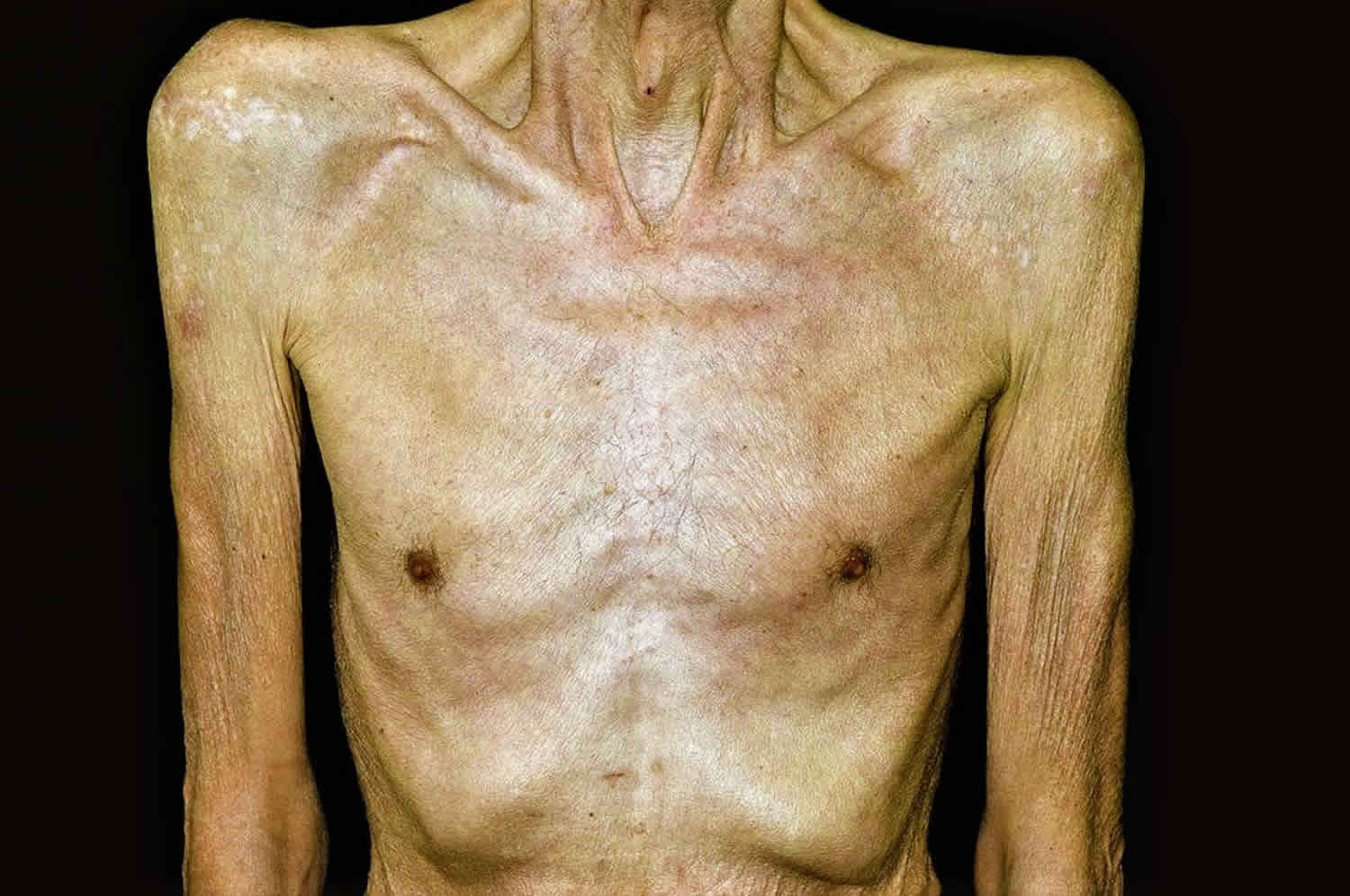
On February 13, 2024, Yinuoke, a biopharmaceutical company pioneering breakthrough therapeutics for late-stage cancer patients, announced publication of a manuscript in the Journal of Cachexia, Sarcopenia and Muscle demonstrating the effectiveness of a new compound in alleviating cachexia and increasing the survival of tumor-bearing mice in a T-cell dependent manner. Cancer cachexia, a devastating tumor-induced immune disorder leading to body wasting and reduced tolerability to therapeutics, occurs in 80% of all cancer patients and causes 25% of deaths. Previous attempts to treat cachexia have failed due to lack of efficacy in stabilizing patient weight and strength. Yinuoke treats cachexia as a tumor-driven autoimmune disorder rather than a metabolic condition. The new drug, YNK105 (R-ketorolac), is an R-enantiomer of an existing racemic NSAID (ketorolac) which cannot be used for a long term due to toxicity). YNK105 reduces systemic inflammation without the toxic side effects caused by existing NSAIDs that limit their use.
The data shows a significant improvement in cachexigenic tumor-bearing mice in overall survival, increases in body, fat, and muscle weight, and reductions in plasma IL-6 and tissue- derived Stat3. Most impressively, cachectic mice achieved a 100% survival rate during the late-stage test period of ten days with a combination treatment of YNK105 and chemotherapy. Most mice not treated with YNK105 died within this ten-day period.
“This research is the first demonstration that severe cachexia can be halted and reversed,” said Dr. Lingbing Zhang, founder and CEO of Yinuoke. “The ability to reverse cachexia expands the options for late-stage cancer patients to extend survival and live a higher quality of life. Reversing cachexia requires modulating the immune system’s inflammatory response for longer than an NSAID will allow. We identified R-ketorolac (YNK105) as a potential treatment for cachexia and now have significant evidence to support a superior efficacy and safety profile compared to current approaches using GDF-15 inhibitors or Anamorelin.”
“YNK105 has the potential to be a breakthrough treatment for cancer cachexia that I am excited to bring into the clinic,” said Dr. Andrew Hendifar of Cedars-Sinai Medical Center. “Pancreatic cancer patients are highly susceptible to cachexia and treatment outcomes are severely impacted. Getting control of cachexia is critical for overall survival of patients with pancreatic cancer and especially for stage 4 and late-diagnosed patients. These early studies support moving this program into clinical trials.” Dr. Hendifar is Medical Director, Pancreatic Cancer, at Cedars Sinai.
The research, appearing in the February 1, 2024 issue of the Journal of Cachexia, Sarcopenia and Muscle, was led by Dr. Martina Schweiger and a team of scientists at the Institute of Molecular Biosciences, University of Graz, Austria.
About Yinuoke
Yinuoke is on a mission to save lives and conquer late-stage cancer through ground-breaking science and the development of first-in-class therapies where no options currently exist. Its vision is to revolutionize late-stage cancer by pushing boundaries and transforming cancer from a terminal disease to a manageable lifelong condition. Through innovative approaches and tailored treatments, Yinuoke aims to empower patients with new possibilities for long-term remission and improved quality of life. For inquiries on partnering and investing please contact Suzanne Kennedy at skennedy@yinuokeus.com.
[News release] [Journal of Cachexia, Sarcopenia and Muscle article]