

Therapy previously developed for other conditions proves effective for common childhood blood cancer (B-ALL)
B-cell acute lymphoblastic leukemia (B-ALL), the most common form of cancer in children and young adults, is vulnerable to an existing class of drugs that was previously developed for Alzheimer’s and Parkinson’s diseases, new research shows. The findings, meaningful to all patients with leukemia but especially those who have relapsed, were published January 8, 2026 in the journal Nature Cancer. The open-access article is titled “Targeting β-Catenin Degradation with GSK3β Inhibitors Induces Cell Death in Acute Lymphoblastic Leukemia.” A central finding of the study, led by Yale’s Center of Molecular and Cellular Oncology (CMCO), regards an unusual characteristic of B-ALL. The study found that, unlike most other cancers which have high levels of a protein called β-catenin, B-ALL cells use a unique mechanism to break down the β-catenin protein. It is barely detectable in B-ALL cells and immediately removed by an efficient clearance mechanism.
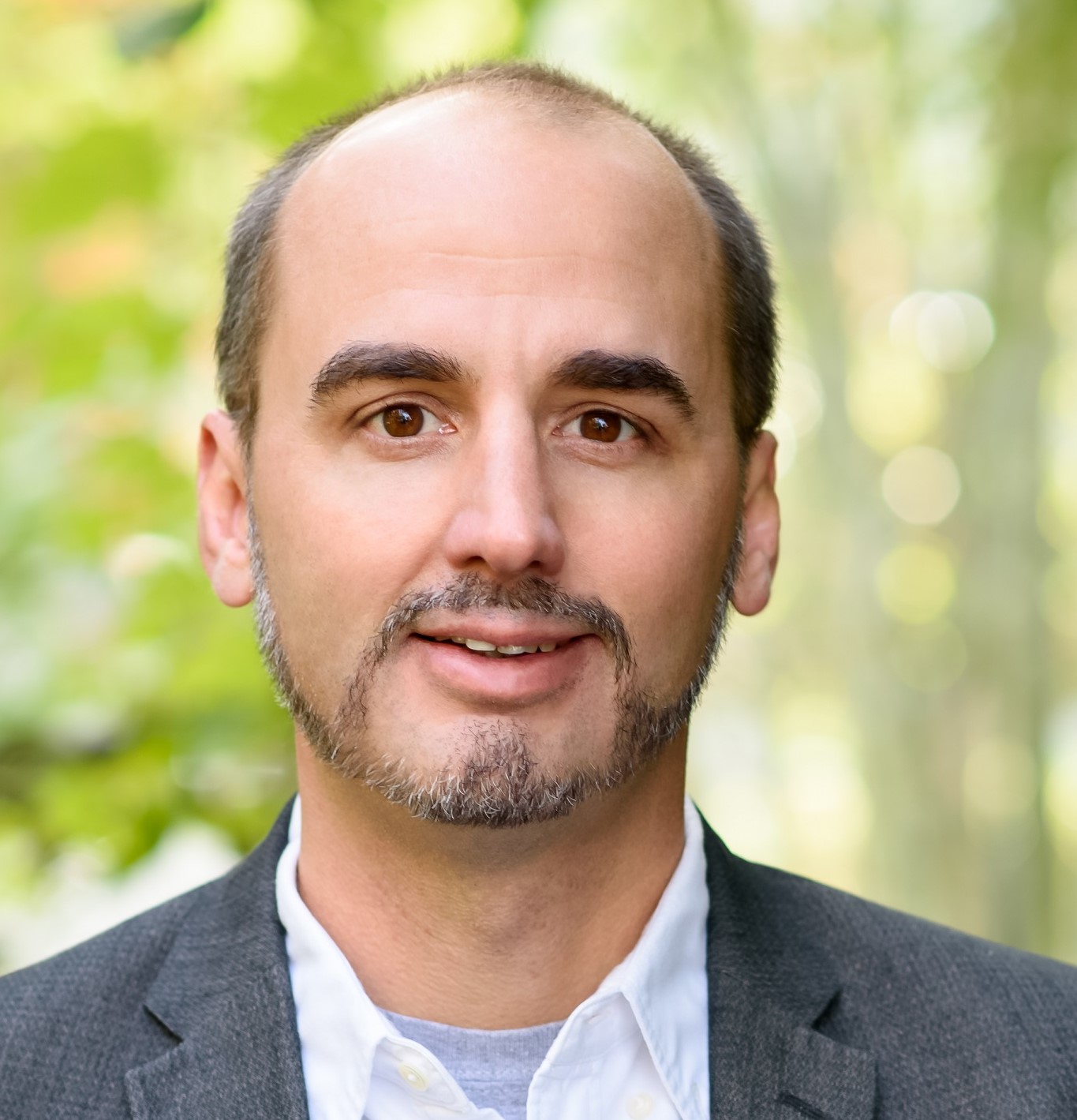
“Because B-ALL cells are extremely sensitive to β-catenin accumulation, we tested if disrupting the β-catenin protein removal machinery can overcome drug resistance and prevent relapse in B-ALL,” says senior author Markus Müschen, MD, PhD, Director of CMCO and Arthur H. and Isabel Bunker Professor of Internal Medicine (Hematology) at Yale School of Medicine (YSM) and a member of the Yale Cancer Center.
The high-efficiency clearance mechanism of β-catenin protein depends on the enzyme GSK3B, the study found. To treat neurological diseases including Alzheimer’s and Parkinson’s diseases, several inhibitors of GSK3B were previously developed. In multiple clinical trials, GSK3B inhibitors drugs were found to be safe and well-tolerated by the patients.
Studying patient-derived xenograft models, including from patients with B-ALL relapse, GSK3B-inhibitors effectively induced B-ALL cell death and overcame conventional drug-resistance.
Importantly, researchers found, GSK3B inhibitors eradicated B-ALL cells at much lower concentrations than the doses used in previous clinical trials, forecasting lower side effects and greater efficacy in the treatment of patients with B-ALL.
While treatment of B-ALL has improved markedly in recent years, children and teenagers who relapse with the disease still face poor outcomes. Even those who are considered cured often experience long-term side effects from toxic high-dose chemotherapy treatments, including problems with their hearts, central nervous systems, and bone growth.
“Because several GSK3B-inhibitors achieved favorable safety profiles in clinical trials, our results provide a rationale for repurposing these drugs for patients with refractory B-cell malignancies,” says Müschen, who leads the international study consortium.
This international research effort to develop GSK3B-inhibitors for patients with B-ALL includes 10 scientists at Yale University and the Müschen Laboratory at YSM, as well as clinicians and scientists affiliated with research centers, universities, and hospitals in Boston, San Francisco, and Los Angeles (U.S.), Freiburg and Munich (Germany), Oslo (Norway), and Kyoto (Japan).
This posting is based on release authored by Naedine Hazell.