

Harnessing regulated cell death pathways to overcome resistance and improve patient outcomes
by Manisha Kashyap, PhD
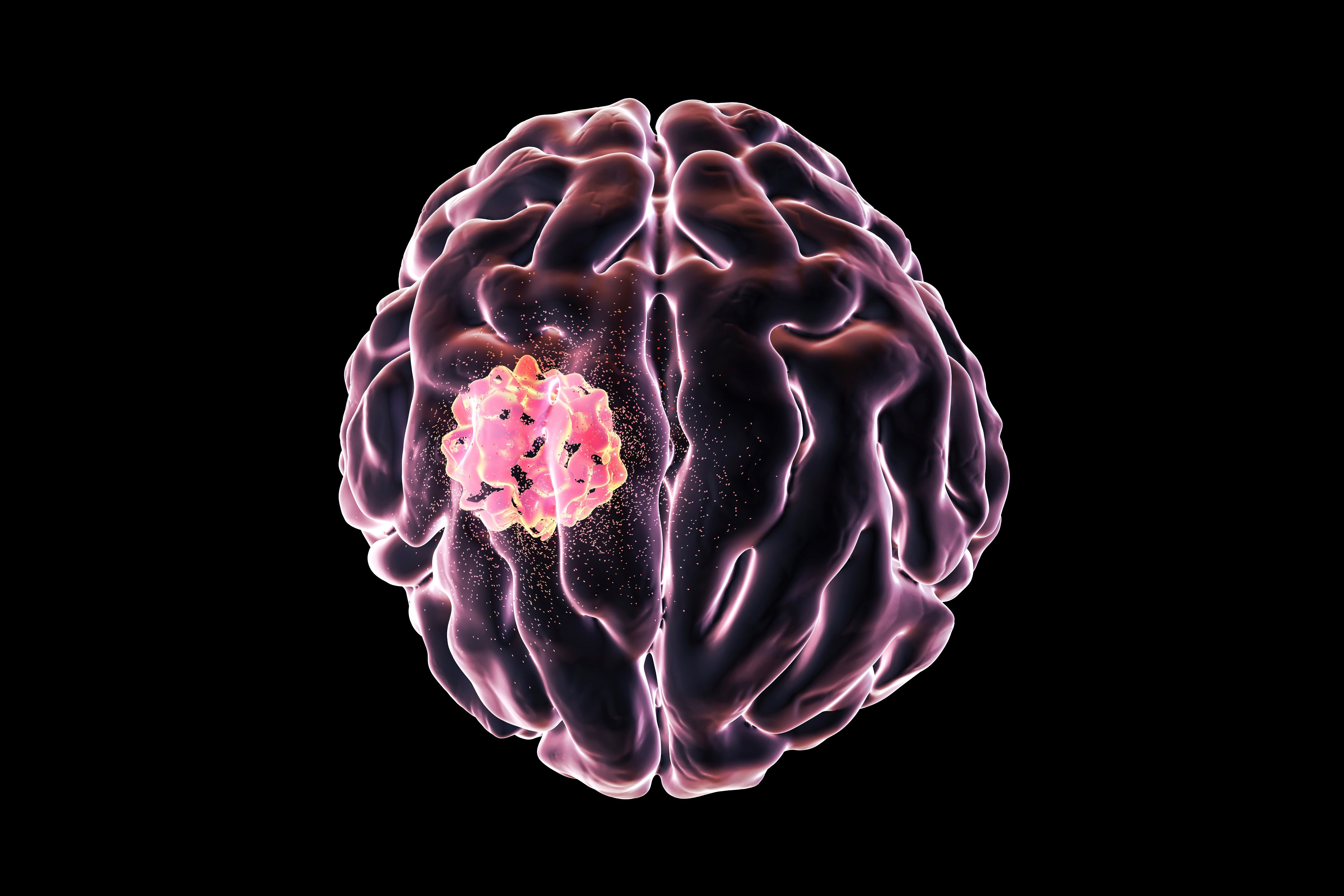
Gliomas are the most prevalent primary brain tumors in adults, accounting for approximately 70% of central nervous system neoplasms. These tumors originate from glial cells or their progenitors and are classified into subtypes such as astrocytomas, oligodendrogliomas, and ependymomas. According to the World Health Organization (WHO), gliomas are further categorized into low-grade (grades 1–2) and high-grade (grades 3–4), with glioblastoma (GBM) representing the most aggressive and common subtype. Despite advances in surgical resection, radiotherapy, and chemotherapy, clinical outcomes for glioma patients remain poor. The aggressive and invasive nature of these tumors, combined with high recurrence rates, significantly limits treatment success. Several factors contribute to therapeutic resistance, including tumor heterogeneity, the restrictive nature of the blood–brain barrier (BBB), and the persistence of glioma stem cells (GSCs), all of which enable tumor survival and progression. This article is based on an open-access study published February 10, 2026 in Cell Death Discovery by Chinese authors under the title “Unlocking Glioma Vulnerabilities: Targeting Regulated Cell Death Pathways for Innovative Therapies” and accessed via the Nature Publishing Group database.
Molecular and Pathological Basis of Glioma
Glioma development is driven by complex and multifactorial mechanisms involving genetic, epigenetic, and microenvironmental changes. Key molecular alterations include mutations in genes such as IDH1/2, TP53, and EGFR, along with epigenetic modifications like MGMT promoter methylation.
In addition, glioma progression is supported by:
• Glioma stem cells (GSCs): These cells exhibit enhanced self-renewal and tumorigenic potential, contributing to recurrence.
• Immune evasion: Tumors suppress immune responses through pathways such as PD-L1 and TGF-β signaling.
• Angiogenesis and hypoxia: Upregulation of factors like HIF-1α and VEGF promotes abnormal blood vessel formation.
• Invasion and migration: EMT-like transitions enable tumor cells to infiltrate surrounding brain tissue. (Note: Epithelial-Mesenchymal Transition (EMT) is a biological process where polarized epithelial cells lose their cell-cell adhesion and polarity, transforming into mesenchymal cells with enhanced migratory capacity, invasiveness, and resistance to apoptosis.)
These interconnected mechanisms collectively drive glioma progression and therapeutic resistance.
Regulated Cell Death: Definition and Biological Significance
Regulated cell death (RCD) encompasses a group of genetically controlled processes that determine cellular fate. These include apoptosis, pyroptosis, ferroptosis, necroptosis, and autophagy.
RCD plays a dual role in cancer biology. Under normal physiological conditions, it eliminates damaged or mutated cells, thereby preventing tumor formation. However, in the tumor microenvironment, cancer cells often evade these pathways by enhancing survival mechanisms such as anti-apoptotic signaling and antioxidant defenses.
Importantly, RCD is closely linked to immune regulation. Different forms of cell death release molecules such as pathogen-associated molecular patterns (PAMPs) and damage-associated molecular patterns (DAMPs), which influence immune surveillance and anti-tumor responses.
Overview of Conventional Cell Death Mechanisms
Traditionally, apoptosis and necrosis were considered the primary forms of cell death.
Apoptosis is a highly regulated process involving intrinsic (mitochondrial) and extrinsic (death receptor) pathways, leading to controlled cell dismantling. Glioma cells often evade apoptosis by overexpressing anti-apoptotic proteins or activating survival pathways such as PI3K/Akt.
Necrosis, once considered passive, is now recognized as an active process capable of modulating immune responses through the release of DAMPs, which can promote inflammation and tumor progression.
These limitations in conventional cell death mechanisms have driven interest in alternative RCD pathways as therapeutic targets.
Key Regulated Cell Death Pathways in Glioma
Pyroptosis
Pyroptosis is an inflammatory form of RCD mediated by the gasdermin family of proteins. It is triggered by inflammatory caspases, leading to membrane pore formation, cell swelling, and release of cytokines such as IL-1β and IL-18.
In glioma, pyroptosis has both tumor-suppressive and tumor-promoting roles. While it can enhance immune responses and promote tumor antigen release, its activity is often suppressed through mechanisms such as GSDME promoter methylation. Reactivating pyroptosis has shown potential to improve chemotherapy response and increase immune cell infiltration.
Ferroptosis
Ferroptosis is an iron-dependent form of regulated necrosis characterized by lipid peroxidation and oxidative stress. It is tightly regulated by factors such as GPX4, system Xc⁻, and ACSL4.
Glioma cells, due to their high metabolic demand, are particularly sensitive to ferroptosis. However, they frequently develop resistance through antioxidant pathways, including activation of Nrf2 and upregulation of SLC7A11.
Certain glioma subtypes, such as IDH1-mutant tumors, exhibit increased sensitivity to ferroptosis-inducing agents, highlighting potential opportunities for targeted therapy.
Necroptosis
Necroptosis is a programmed form of necrosis mediated by the RIPK1/RIPK3/MLKL signaling axis. It results in cell membrane disruption and release of inflammatory signals.
In glioma, necroptosis is often suppressed, contributing to immune evasion and resistance to therapy. Reduced expression of RIPK3 is commonly observed, limiting activation of this pathway. Restoring necroptosis has been shown to enhance tumor clearance and improve immune responses.
Autophagy
Autophagy is a conserved cellular process that degrades and recycles intracellular components through lysosomal pathways. Its role in glioma is highly context-dependent.
Under stress conditions such as hypoxia or nutrient deprivation, autophagy promotes tumor survival by maintaining metabolic balance. Conversely, excessive autophagy can lead to cell death, making it a complex but promising therapeutic target.
Emerging Pathways: Panoptosis and Cuproptosis
Recent research has identified additional forms of regulated cell death, including panoptosis and cuproptosis.
Panoptosis integrates features of pyroptosis, apoptosis, and necroptosis into a unified inflammatory cell death pathway.
Cuproptosis is a copper-dependent process associated with mitochondrial dysfunction and oxidative stress.
Although their roles in glioma are not yet fully understood, these pathways provide new directions for future research.
Crosstalk Between RCD Pathways
RCD pathways are highly interconnected and influence each other through shared signaling networks. This crosstalk plays a crucial role in glioma progression and treatment response.
For example, different RCD pathways can release DAMPs and PAMPs that modulate immune responses, influencing tumor growth and therapeutic outcomes. Understanding these interactions is essential for designing effective combination therapies.
Impact on the Tumor Microenvironment
RCD significantly shapes the tumor microenvironment by regulating immune cell activity, inflammation, and tumor progression.
Certain forms of RCD enhance anti-tumor immunity by promoting immune cell infiltration, while others may contribute to immunosuppression. This dual role highlights the importance of precisely targeting these pathways to achieve therapeutic benefit.
Therapeutic Strategies Targeting RCD
Targeting regulated cell death pathways has emerged as a promising approach to overcome glioma resistance. Key strategies include:
• Inducing pyroptosis to stimulate immune responses
• Triggering ferroptosis through inhibition of antioxidant systems
• Activating necroptosis to enhance immunogenic cell death
• Modulating autophagy to disrupt tumor survival mechanisms
In addition, advanced technologies are being explored to enhance treatment efficacy:
• Nanoparticle-based drug delivery systems to improve BBB penetration
• Oncolytic virotherapy to activate immune responses
• Multi-omics approaches to enable personalized therapies
These strategies aim to create multimodal and synergistic treatments that target both tumor cells and their microenvironment.
Challenges and Open Questions
Despite promising progress, several challenges remain:
• How can glioma cells be sensitized to RCD pathways?
• How can tumor heterogeneity and BBB limitations be overcome?
• How can immune responses triggered by RCD be optimized?
Addressing these questions will be essential for translating research into clinical practice.
Future Perspectives
The integration of RCD-targeted therapies with immunotherapy and precision medicine holds significant potential for improving glioma outcomes. Advances in drug delivery systems and molecular profiling are expected to enable more effective and personalized treatment strategies.
Conclusion
Regulated cell death represents a transformative frontier in glioma research and therapy. By targeting pathways such as pyroptosis, ferroptosis, necroptosis, and autophagy, researchers are uncovering new strategies to overcome resistance and improve patient outcomes.
Future approaches will likely rely on combining RCD modulation with advanced technologies and personalized medicine, offering hope for more effective and durable treatments for glioma.
[Cell Death Discovery article]
About the BioQuick Writer

Dr. Manisha Kashyap (Dr. MK)
BDS (Hons), MSc, PhD
Manisha Kashyap earned a BS in Dentistry (Gold Medalist) and an MS in Clinical Research, and she is a driven PhD scholar in Health Policy and Management.
With a rich background as a Drug Safety Analyst for top-tier bio pharmaceutical companies, she blends clinical expertise with a passion for advancing healthcare accessibility and innovation through her writing career for the love of science and technology via MedKnow Research Writing Solutions linkedin.com/in/medknowresearchwritingsolutionsbydrmk
Dr. Kashyap’s PhD thesis is on “Artificial Intelligence (AI) and Public Health: Harnessing the Power of AI for Enhanced Public Health Policy and Management.”