

Researchers reveal how proteins secreted by spider mites can influence plant defense mechanisms
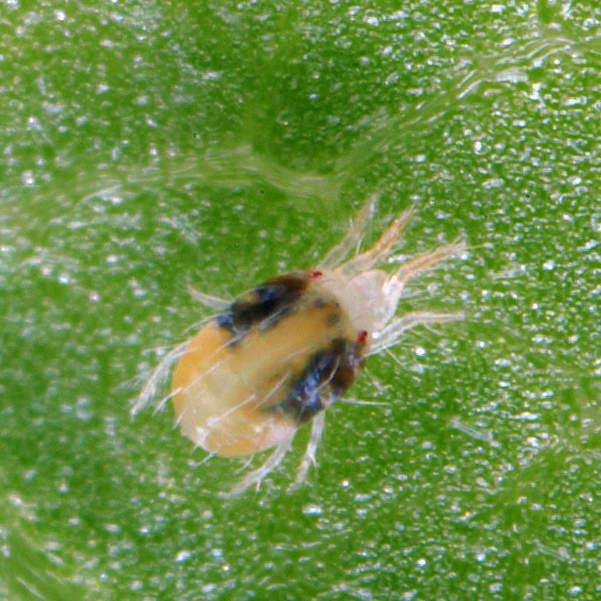
As global food demand continues to increase, effective pest control remains one of agriculture’s most pressing challenges. Worldwide, farmers apply nearly 4 million tons of chemical pesticides annually to protect their crops, representing a $60 billion industry. While these compounds have significantly boosted agricultural productivity, their widespread use has raised concerns regarding environmental impact, health risks, and the long-term sustainability of modern farming.The two-spotted spider mite, Tetranychus urticae, exemplifies the limitations of conventional pesticide-based pest management in agriculture and horticulture. These microscopic arachnids infest a wide range of crops and fruit trees and can reproduce extremely quickly. More importantly, unlike many other pests, they rapidly develop resistance to chemical pesticides, making control efforts increasingly challenging. With pesticide resistance on the rise, farmers worldwide are urgently seeking alternative, sustainable pest control strategies.