

by Science Writer Kim Woolcock
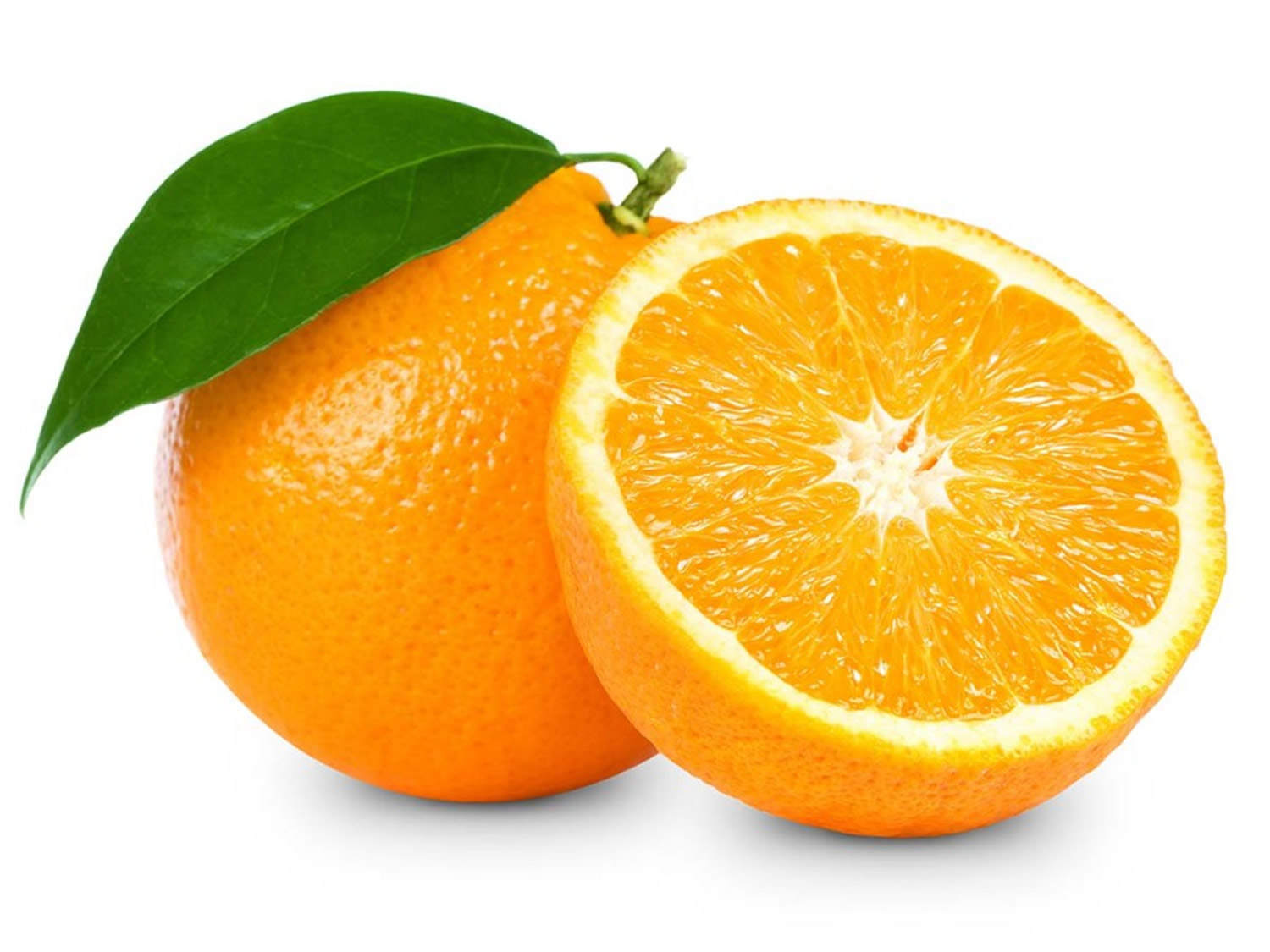
Although citrus fruits are cultivated worldwide, researchers have struggled to puzzle out their origins, proposing locations from the foothills of the Himalayas to the jungles of northeast Australia. Now, a far-reaching phylogenetic analysis has revealed that the ancestors of citrus plants originated on the ancient Indian Plate more than 25 million years ago. The paper, “Pangenome Analysis Provides Insight into the Evolution of the Orange Subfamily and of Key Gene for Citric Acid Accumulation in Citrus Fruits” was published in Nature Genetics on October 2, 2023.
Citrus taxonomy is complex. The orange subfamily (Aurantioideae) is made up of 33 genera, including the genus Citrus, and 210 species, plus varieties and cultivars. Some cultivated citrus are derived from wild species, some are hybrids between two or more wild species, some resulted from crossing a hybrid with one of its parents. The fruits themselves are also diverse, with true Citrus ranging from tiny kumquats to huge pomelos to the vaguely octopus-like Buddha’s hand. Citrus relatives include the curry tree (Bergera koenigii) and orange jessamine Murraya paniculata), among others.
To unravel the mystery of citrus origins, Qiang Xu at Huazhong Agricultural University in China and colleagues analyzed 314 genome sequences and assembled a phylogenetic tree, like a family tree, for the orange subfamily. Measuring how long ago the most ancestral species diverged from each other indicated that the ancestors of oranges were present on the Indian Plate approximately 25 million years ago, before it collided with the Asian plate, creating the Himalayas. The tree also revealed that the first true Citrus species, such as mandarins and trifoliate oranges, began to diversify about 8 or 9 million years ago in south central China, and other early citrus, such as the pomelo and citron, emerged soon after in the Himalayan foothills. The researchers identified 15 distinct species of Citrus, adding a few new species to the genus based on genetic data and crossing studies.
Xu and colleagues also used the sequence data to assemble a pangenome—a compilation of genome sequences for related individuals that captures the basic structure as well as individual variation within it—for Aurantioideae. Comparison of 18 genomes allowed them to identify core gene families, present in nearly all genomes, as well as species-specific genes that were present in only a single genome and might reflect traits unique to that species.
Compiling genetic data for so many orange-family species also allowed the researchers to pinpoint a key difference between true citrus and their relatives: the gene that controls citric acid content, PH4. Citric acid content is a key component of citrus fruits’ flavor, giving oranges their slightly tart sweetness and lemons and limes their pucker-inducing sourness. Citrus relatives had only small amounts of citric acid and low levels of PH4 expression; true citrus had high levels of citric acid and PH4 expression. The citrus PH4 also had a substantially different gene sequence. When the researchers overexpressed the citrus PH4 in tissue from Valencia sweet orange, it lowered pH and elevated levels of citric acid.
As part of the study, the researchers found a new species, Citrus linwuensis, near Mangshan Mountain in China, and sampled many wild populations of citrus plants and their relatives. Broadening our understanding of the origins and diversity of the orange subfamily can help in conservation, by identifying habitats rich in wild species and informing which species should be preserved in seed banks to capture the most genetic diversity. Information from the pangenome might also help identify genes helpful in combating pests, disease, or in building resilience to climate change.