

by Manisha Kashyap, PhD
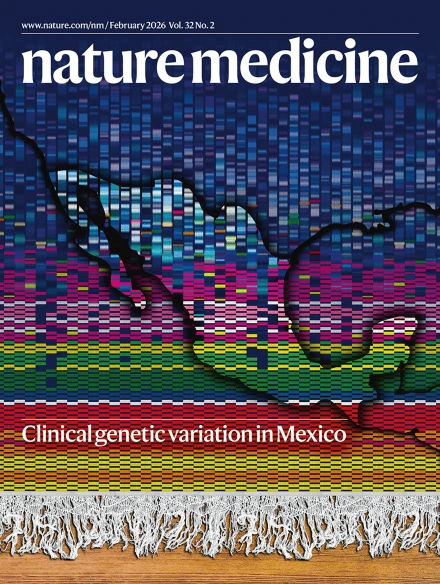
Advances in genetic research are transforming modern medicine, particularly in how clinicians understand disease risk and medication response. However, many clinical guidelines still rely on broad population labels such as “Hispanic” or “Latino,” assuming these groups are genetically similar. Recent research shows that this assumption overlooks important genetic differences that can directly affect patient care. A large study published January 21, 2026 in Nature Medicine under the title “Clinical Genetic Variation Across Hispanic Populations in the Mexican Biobank” using data from over 6,000 individuals in the Mexican Biobank has demonstrated that genetic variation within Mexican populations is highly diverse and region-specific. This variation is influenced by differing proportions of Indigenous American, European, and African ancestry, as well as distinct indigenous ancestral groups across regions such as central Mexico, Oaxaca, and the Yucatán Peninsula. The open-access study served as the cover story for the February 2026 print issue of Nature Medicine and was the subject of a companion news article titled “Clinically Relevant Variants from the Mexican Biobank Show Striking Diversity Across Hispanic People.”
The companion piece noted that “Ancestry-aware genomic analyses of 6,011 people from the Mexican Biobank characterized allele frequency variation in 42,769 clinically relevant variants across Mexico, accounting for local ancestry and fine-scale geography. Results are accessible through a web-based application, MexVar, to enable data exploration and to foster biomedical research in Hispanic populations.”
Regional Genetic Differences and Clinical Impact
The study found that clinically important genetic variants—those linked to disease risk and drug response—vary significantly across regions of Mexico. These differences follow geographic patterns, including a north-to-southeast gradient, reflecting underlying ancestry distributions.
For example, genetic variants associated with drug metabolism show notable regional variation. One variant affecting fentanyl metabolism (rs2242480) is more common in individuals with higher indigenous ancestry and is more prevalent in southern regions. This variation can influence how patients respond to opioid medications and may affect appropriate dosing in clinical settings.
Similarly, a genetic variant in the SLCO1B1 gene (rs4149056), which influences statin metabolism, shows higher frequencies in southeastern Mexico compared to northern regions. These differences can affect the risk of side effects and treatment outcomes in patients using cholesterol-lowering medications.
The Role of Ancestry and Admixture
The study highlights that genetic diversity in Mexican populations is shaped by a complex combination of ancestry and geography. Approximately 60% of clinically relevant genetic variants were associated with continental ancestry proportions, particularly indigenous ancestry.
Importantly, differences were not only due to overall ancestry proportions but also to variation within indigenous ancestral groups themselves. Genetic differences among groups such as Nahua, Maya, and Zapotec contribute to regional differences in disease-related and pharmacogenomic variants.
This means that two individuals who are both categorized as “Hispanic” may still have very different genetic profiles depending on their regional and ancestral background.
Implications for Precision Medicine
The findings highlight a major limitation in current clinical guidelines, which often rely heavily on genetic data derived from European populations. This can lead to under-recognition of clinically important variants in other populations, particularly those with Indigenous or African ancestry.
In addition, some clinically actionable genetic variants were found to be more common in Indigenous ancestry segments and may not be included in standard genetic screening panels. This has implications for disease prevention, early diagnosis, and treatment planning.
For example, a pathogenic variant associated with biotinidase deficiency was found to be concentrated in the Yucatán region, suggesting that targeted screening strategies could improve early detection and prevent long-term complications in affected populations.
Moving Toward More Personalized and Equitable Care
The study emphasizes that broad ethnic labels are insufficient for guiding precision medicine. Instead, incorporating detailed genetic, geographic, and ancestry information can improve clinical decision-making and treatment safety.
To support this effort, researchers developed an interactive tool called MexVar, which allows clinicians and researchers to explore how genetic variants vary across regions and ancestry groups within Mexico. This type of resource can help translate genomic research into practical clinical applications and improve healthcare equity.
Conclusion
Genetic diversity within Hispanic populations is complex and clinically significant. Regional ancestry differences influence how individuals respond to medications and their risk for certain conditions. Recognizing and integrating this diversity into clinical practice is essential for advancing precision medicine and ensuring that all patients receive safe, effective, and personalized care.
[Nature Medicine article] [Nature Medicine news article] [Science report]
About the BioQuick Writer

Dr. Manisha Kashyap (Dr. MK)
BDS (Hons), MSc, PhD
Manisha Kashyap earned a BS in Dentistry (Gold Medalist) and an MS in Clinical Research, and she is a driven PhD scholar in Health Policy and Management.
With a rich background as a Drug Safety Analyst for top-tier bio pharmaceutical companies, she blends clinical expertise with a passion for advancing healthcare accessibility and innovation through her writing career for the love of science and technology via MedKnow Research Writing Solutions linkedin.com/in/medknowresearchwritingsolutionsbydrmk
Dr. Kashyap’s PhD thesis is on “Artificial Intelligence (AI) and Public Health: Harnessing the Power of AI for Enhanced Public Health Policy and Management.”