

This study is currently recruiting participants and the first participant is Neena Nizar, PhD, who will receive the first dose in the first-in-human trial of PTH-IA on June 2, 2026. Dr. Nizar has JMC, as do her two sons. She is Executive Director of The Jansen’s Foundation
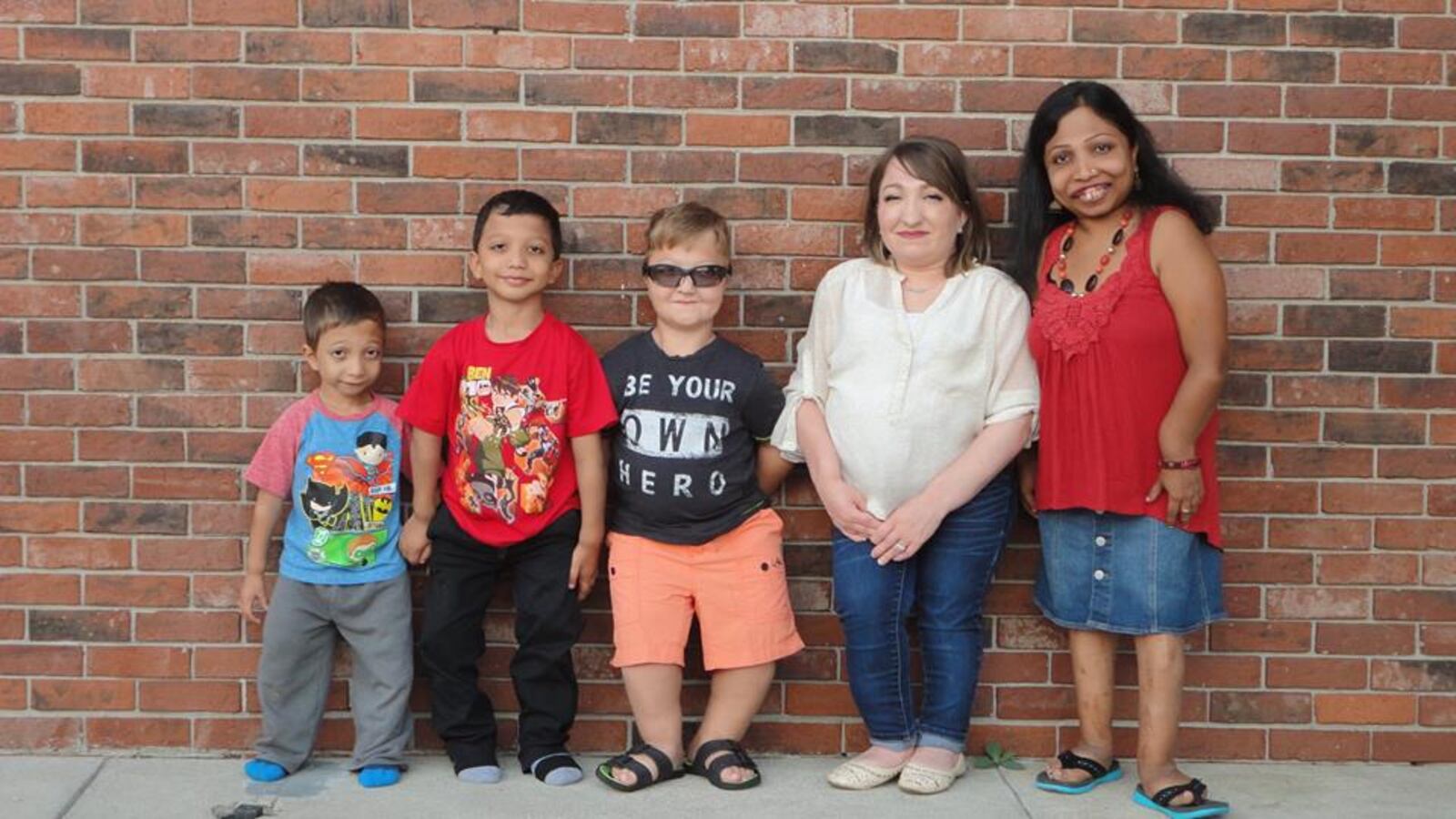
Jansen’s metaphyseal chondrodysplasia (JMC) is a very rare disorder with only approximately 30 people known to have the disease worldwide. It is caused by parathyroid hormone 1 receptor (PTH1R) variants leading to constitutive activation of the receptor for parathyroid hormone (PTH) and parathyroid hormone-related peptide (PTHrP). PTH1R is predominantly expressed in the kidneys and bone and growth-plate chondrocytes. Individuals with JMC develop severe growth impairment resulting in significant short stature, scoliosis, frequent fractures, bone pain, mineral-ion abnormalities (typically hypercalcemia and hypercalciuria), hypertension, and chronic kidney disease due to nephrocalcinosis and nephrolithiasis. Children often undergo multiple surgeries for skeletal fractures and deformities; mobility is commonly impaired, usually requiring assistive devices for ambulation. Other complications may include premature closure of cranial sutures and cranial nerve compressions with the potential for vision and/or hearing loss. Physical function impairment and the need for complication-related operations have profound deleterious effects on quality of life in individuals with JMC. There are currently no approved therapies for JMC, and novel therapies are critically needed to prevent irreversible disease complications and improve patient quality of life. Please read on for additional details and the personal comment of the first patient to be treated in the first-in-humn trial of a new drug for the disease June 2.
The inventors of the drug, parathyroid hormone inverse agonist (PTH-IA), have considerable expertise in both the basic and clinical aspects of PTH/PTHrP receptor molecular biology and pharmacology. They reported the first PTH1R JMC mutations (including the H223R mutation) over 20 years ago and identified certain PTH antagonist ligands that function as inverse agonists on the PTH1R JMC mutant receptors. These ligands suppress the mutant receptor’s elevated basal rates of cAMP signaling, as assessed in cultured cells and animal models. In vivo studies confirm that inverse agonist ligands may be effective in treating JMC. This study involves the use of PTH-IA, a 30-amino acid PTH inverse agonist ligand with the amino acid sequence [Leu11,dTrp12,Trp23,Tyr36]-PTHrP(7-36)NH2. The study scientists hypothesize that PTH-IA will be a safe and effective treatment for individuals with JMC.
Moving Commentary by Patient to Be First to Receive New Drug
Below is a moving commentary on the trial that Dr. Nizar posted on LinkedIn on June 1:
“Tomorrow at 8:00 am, I will receive the first dose in the first-in-human clinical trial for Jansen’s metaphyseal chondrodysplasia.
In the rare disease world, we often talk about the excitement of being first. Many of us spend years advocating, organizing, fundraising, and pushing science forward because no one else is coming to save our communities. We become the pioneers of our own treatments.
What we don’t talk enough about is the weight that comes with being first.
Many teams have worked tirelessly to move this therapy from research to reality. The scientists, clinicians, regulators, advocates, and families have all helped make tomorrow possible. But eventually, every first-in-human trial arrives at the same undeniable moment – one person has to go first.
Tonight, I feel the weight of my boys, my parents, our Jansen’s community, and my wider ultra-rare disease community. I know how many people are watching and hoping, not just for Jansen’s, but for the hope this model brings for countless other ultra-rare diseases.
This afternoon I spent time with Elizabeth Ottinger at NCATS reflecting on the road that brought us here. We talked about the early days, the setbacks, the persistence, and, like the forward thinkers we are, quickly found ourselves talking about what comes next. The possibilities for ultra-rare diseases if we continue to invest in collaboration, innovation, and patient-driven research are enormous.
Dr. Alison Boyce and her incredible team at National Institute of Dental and Craniofacial Research (NIDCR at NIH), along with the incredible staff at the NIH clinical center, have dotted every “i” and crossed every “t.” The process has been meticulous. The machine is ready.
Tomorrow, we take the next step.
No matter what happens, I hope this moment serves as a reminder that ultra-rare diseases deserve more funding, more collaboration, and more creative pathways to bring treatments from bench to bedside. If it can happen for a disease affecting only a handful of people worldwide, then perhaps it can happen for many others too.
From research to reality.”